At 09:08 Beijing Time on December 13, 2025, the "Di'er V · China Science and Technology City" (B300-L02) space experimenter, independently developed by AZSPACE, was successfully launched aboard the Kuaizhou-11 carrier rocket from the Jiuquan Satellite Launch Center in China and entered its preset orbit smoothly, marking the complete success of the launch mission. This mission signifies that China's private space vehicle technology has stepped into a new stage, laying a solid foundation for subsequent space science research, technology verification, application development and cargo transportation.
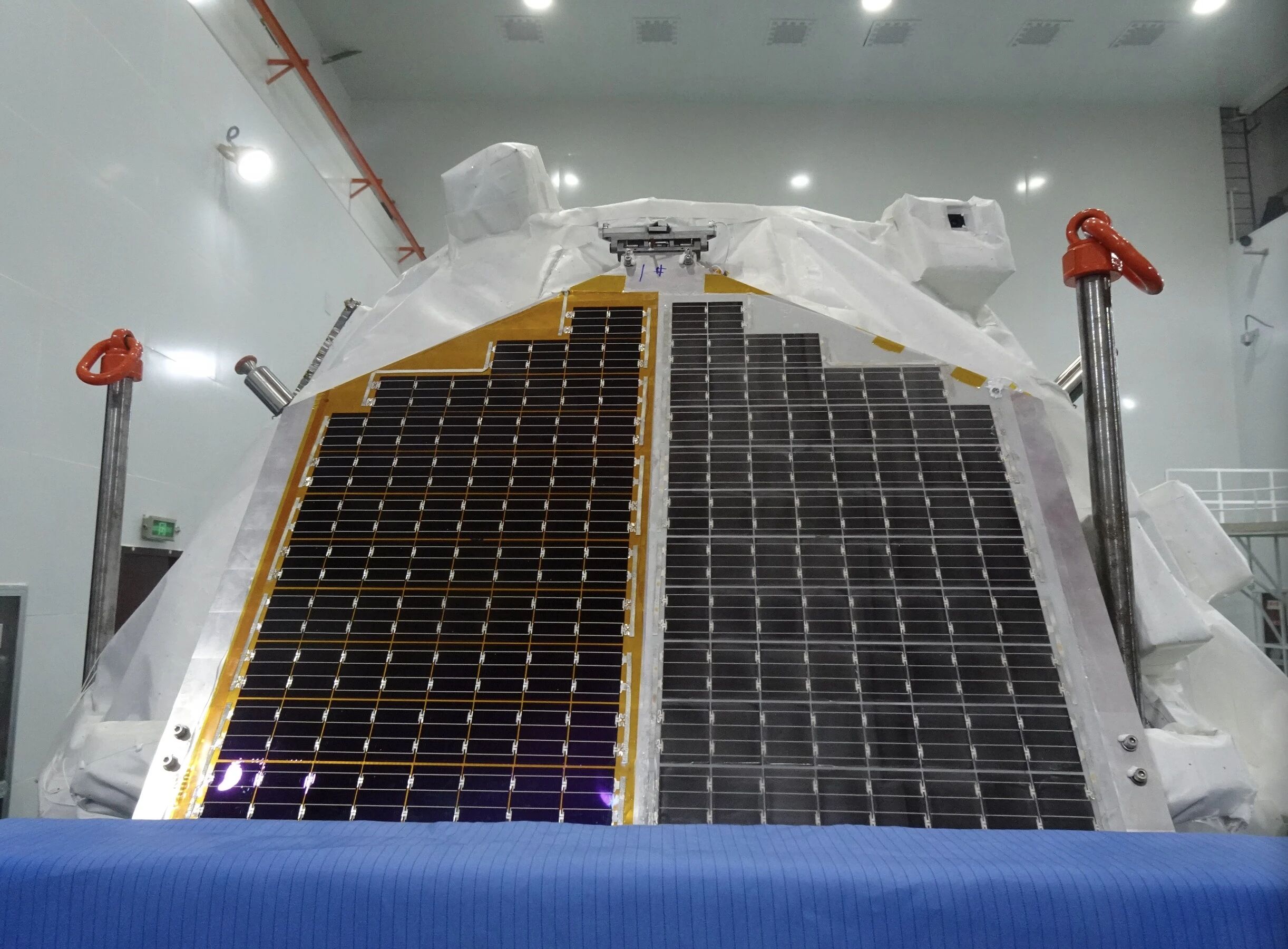
Supported by the Yangtze River Delta National Innovation Center and the Jiangyin Municipal Government, the 1.5-square-meter p-type crystalline silicon solar cell module independently developed by the Photovoltaic Center (YIST) was installed and applied on the aircraft. The crystalline silicon solar cells deployed this time boast multiple advantages including high efficiency, low cost, resistance to space radiation and adaptability to complex space environments, and represent a low-cost space solar cell technology route widely recognized by commercial aerospace companies around the world. In addition, the various flexible and lightweight packaging materials for solar arrays equipped on the aircraft feature protective functions such as resistance to space ultraviolet radiation and atomic oxygen erosion, which will provide critical support for reducing the costs of power supply systems of China’s commercial aerospace vehicles.
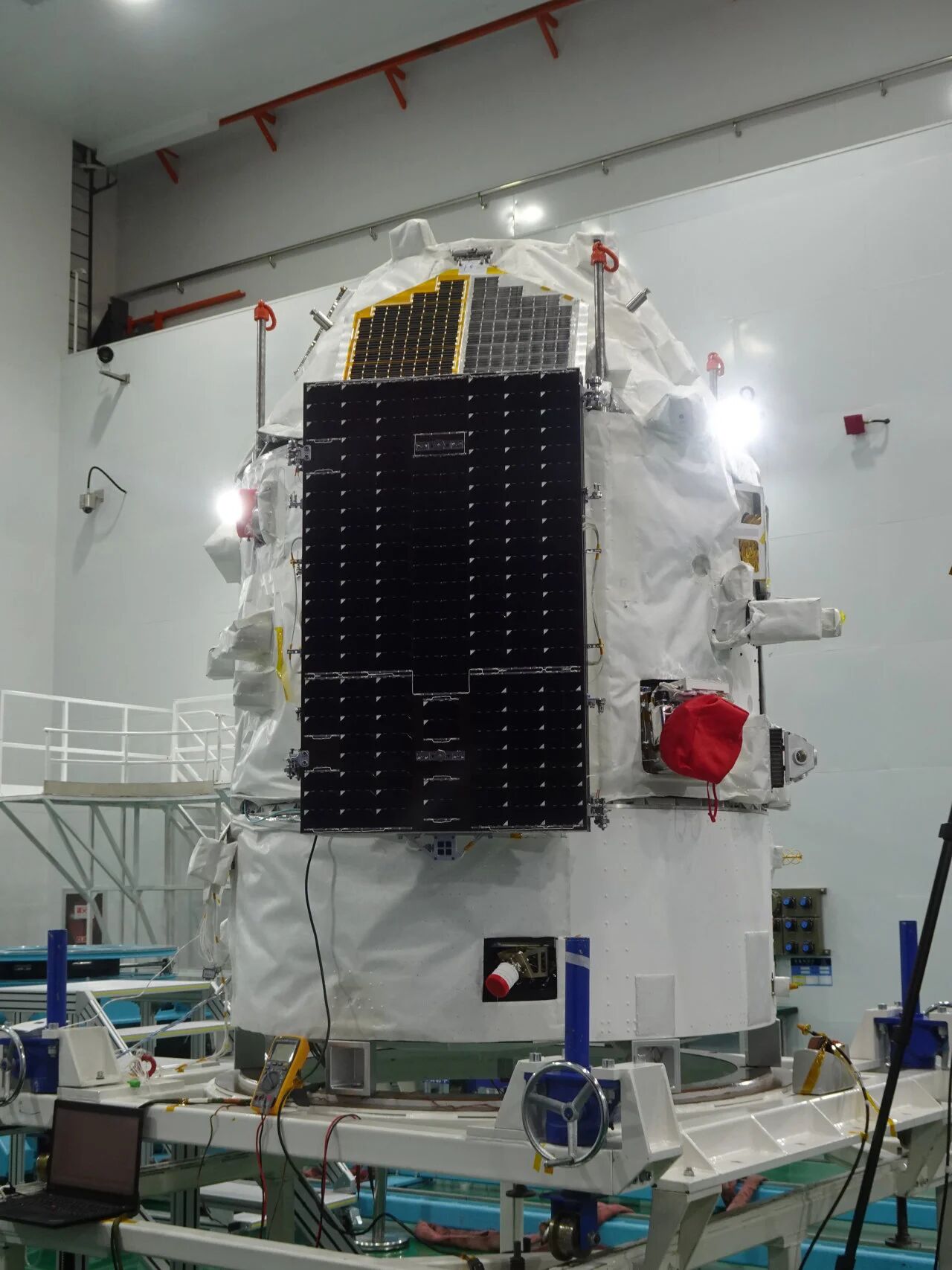
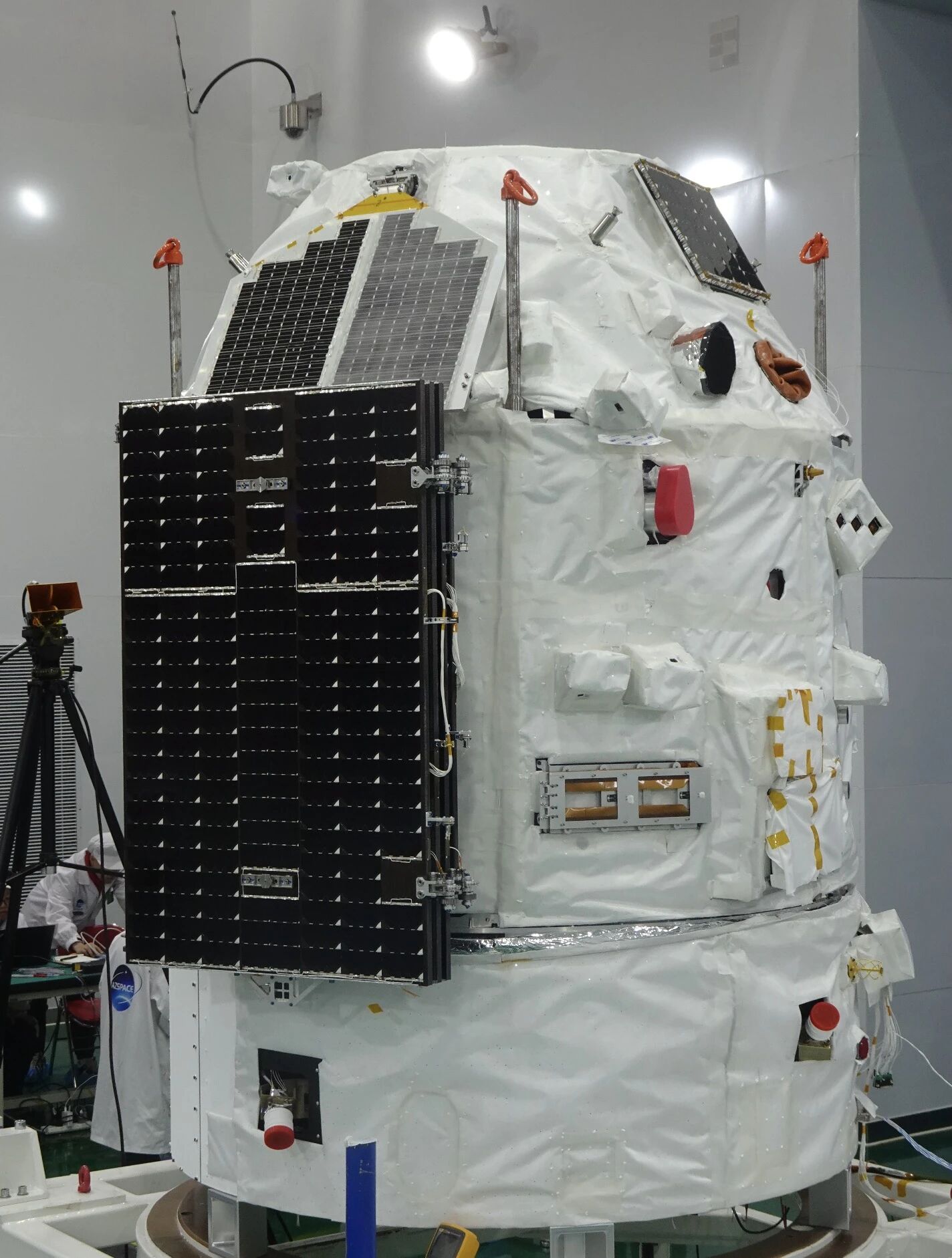
It is reported that the "Di'er V · China Science and Technology City" was initially launched into an orbit with an altitude of 530 km and has been operating long-term in a 343-km-high low-Earth circular orbit with an inclination of 41.5°. A total of 34 experimental payloads (sets/units) from research institutes, universities and enterprises were carried on this mission, which will conduct on-orbit research for one year in cutting-edge fields such as microgravity science, space life science, space materials science, aerospace medicine and space new technology verification.