Driven by the U.S.-led Starlink project initiated by Elon Musk, the development of low-Earth orbit (LEO) satellite programs has been accelerating at full speed. The Starlink project plans to launch more than 42,000 satellites, with over 7,000 satellites successfully deployed since January 2020, serving purposes of communications and military reserve. Similar satellite initiatives are also underway in Europe and other regions. Amid intense international competition, China has also rolled out two major satellite programs, with a total planned satellite constellation of approximately 26,000 units.
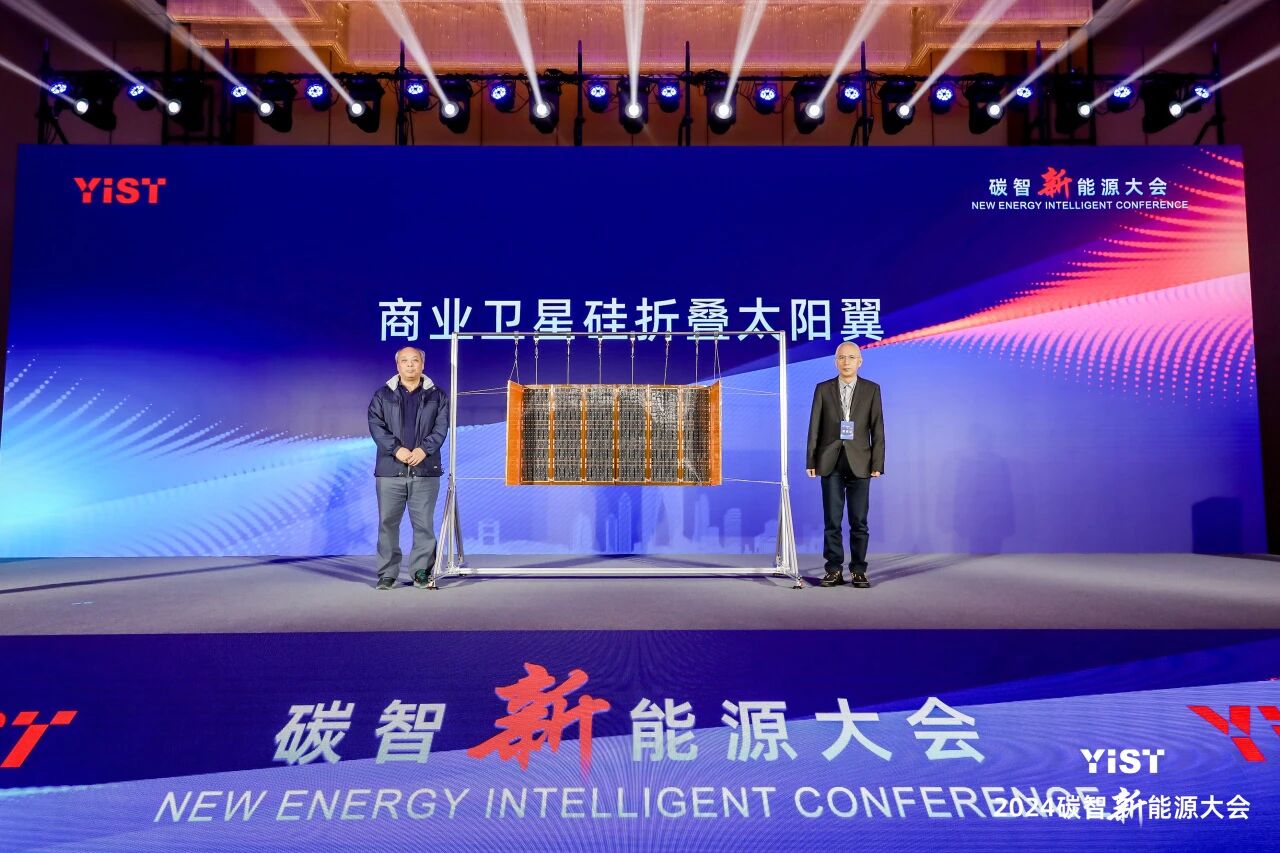
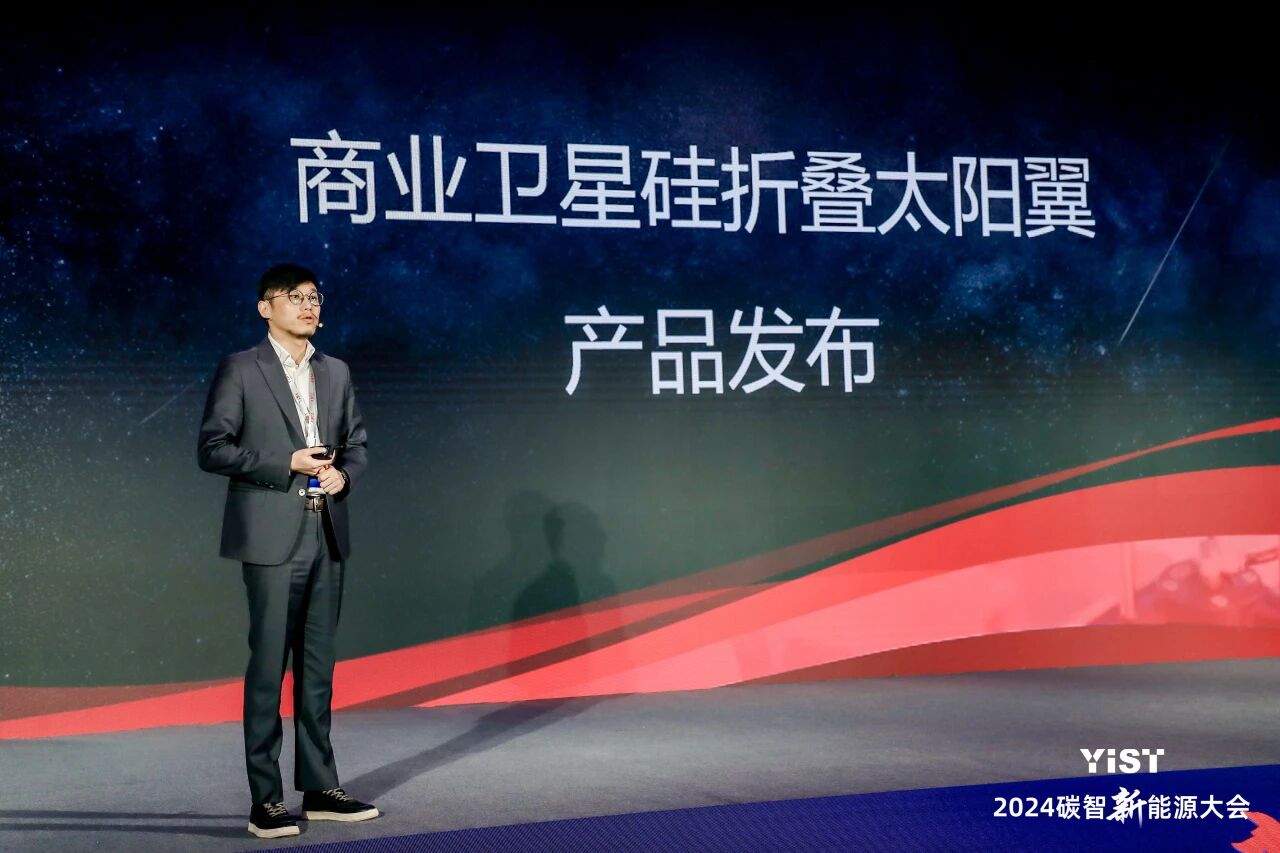
Recently, The Yangtze Institute for Solar Technology (YIST) held a grand launch ceremony in Suzhou to unveil its first-generation commercial satellite silicon foldable solar array, marking the official debut of a high-value, cost-effective solar array product tailored for commercial aerospace applications.
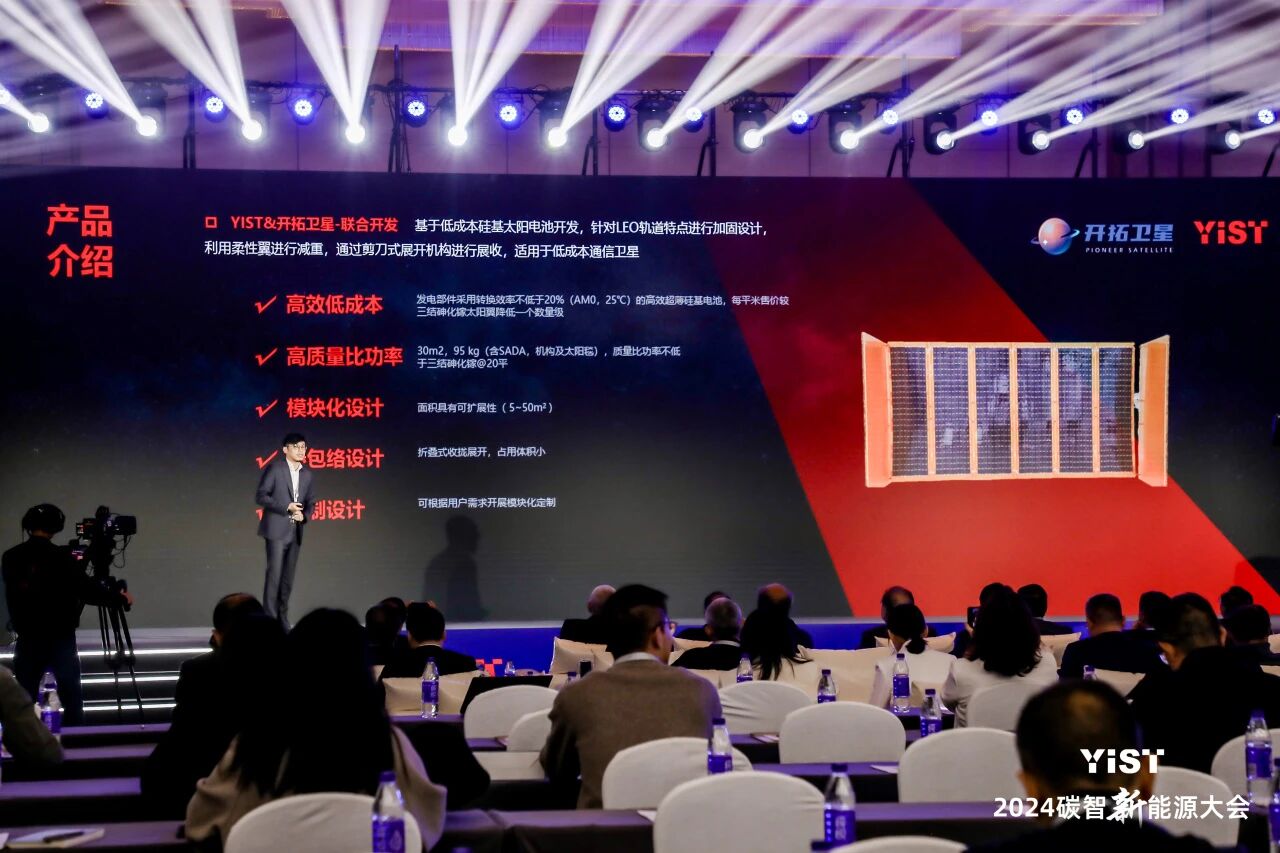
This silicon foldable solar array is a co-developed product of YIST and Chongqing Pioneer Satellite Technology Co., Ltd. It features a reinforced design optimized for LEO operating conditions, weight reduction through flexible array structures, and deployment/retraction via a scissor-type deployment mechanism. Based on silicon-based solar cells, the product leads the market across key metrics including power generation performance, reliability, and weight-to-power ratio. It not only meets the stringent requirements of space environments but also boasts a significant cost advantage, with a per-square-meter cost that is only one-tenth of that of traditional triple-junction gallium arsenide (GaAs) battery arrays.
Notably, the silicon solar cells integrated into this solar array have undergone on-orbit verification tests: they were first carried on the Rizhao-3 satellite in January 2023 and later on the Lingxi-03 satellite in July 2023, delivering exceptional performance in terms of power generation efficiency and operational stability. This month, these cells will be officially put into service aboard the spacecraft B300-L01.
In YIST’s perspective, considering the service life and commercial attributes of LEO satellites, silicon-based solar cells represent the optimal solution currently available, balancing critical factors such as weight-to-power ratio, economic efficiency, and operational stability. With YIST’s continuous efforts, it is anticipated that silicon-based solar cells will gradually emerge as the mainstream product of the commercial aerospace industry.