




The inaugural Carbon-Smart New Energy Conference was recently held grandly in Suzhou, Jiangsu Province. Hosted by The Yangtze Institute for Solar Technology (YIST), the conference was co-organized by the Yangtze River Delta National Institute of Technology Innovation, the Photovoltaic Professional Committee of the China Green Supply Chain Alliance, the State Energy Energy Research Institute, and the Jiangsu Collaborative Innovation Center for Photovoltaic Science and Engineering. It was supported by TÜV SÜD Certification & Testing (China) Co., Ltd., Zhejiang Qingtian Solar Energy Technology Co., Ltd., Max New Material Technology (Shanghai) Co., Ltd., Tongwei Solar Energy (Hefei) Co., Ltd., Shaanxi Zhongshen Electric Energy Technology Co., Ltd., Aichang Zhihui (Suzhou) New Energy High-tech Co., Ltd., and TÜV NORD Group Global Renewable Energy Company.
At the conference, experts from the new energy industry, scholars from research institutes, and entrepreneur representatives engaged in in-depth discussions on topics including the development of innovative new energy technologies and applications in China, the building of a healthy, diversified and dynamic industrial cluster, and the promotion of integration and upgrading of the new energy industry. YIST invited Academician of the Chinese Academy of Engineering and Dean of the Institute of Smart Energy Innovation at Shanghai Jiao Tong University Huang Zhen to attend and deliver a keynote speech titled Major Trends and New Thinking for the Green Transition of Energy.
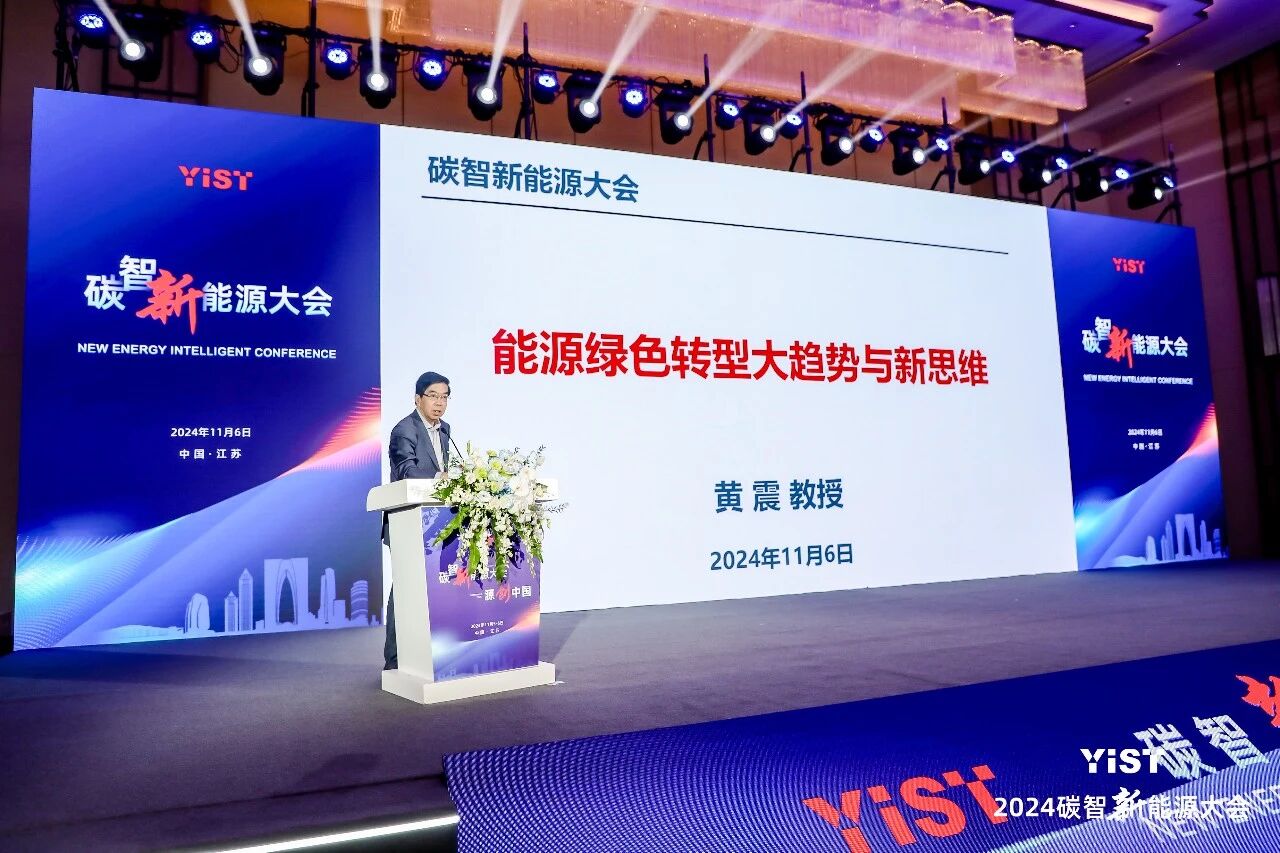
In his speech, Academician Huang pointed out that the core logic of the green energy transition lies in the following aspects: on the supply side, traditional energy will gradually evolve into a structure where fossil energy (equipped with carbon capture technologies) and nuclear energy serve as guaranteed and regulating power sources, while renewable energy will become the mainstay of energy supply. On the demand side, the transition will be primarily driven by re-electrification and indirect electrification, namely the adoption of green power, green fuels and green feedstocks. This will enable decarbonization in power generation, fuel consumption and raw material use, ultimately achieving carbon neutrality.
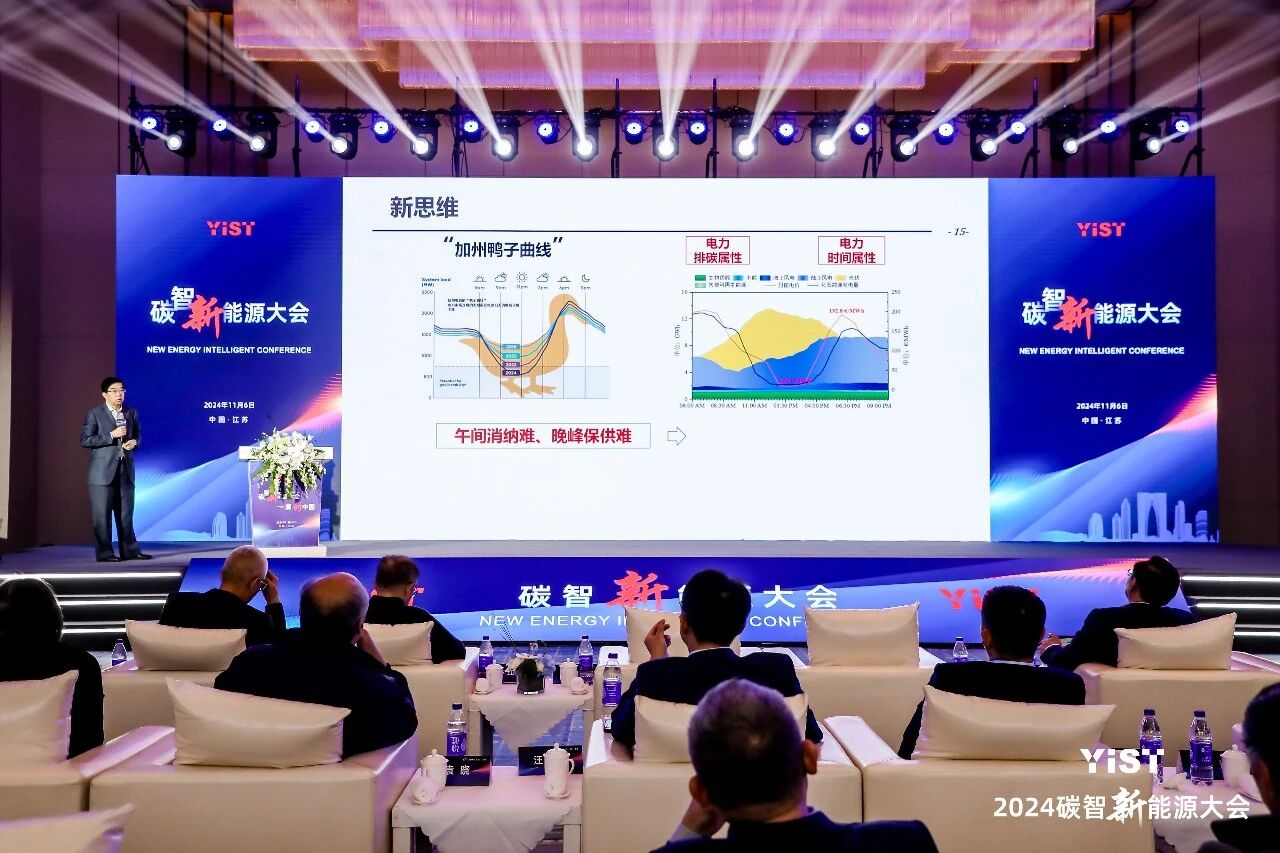
Academician Huang emphasized the need to establish a new perspective on power and energy efficiency. The power-carbon intensity factor will become a critical indicator for future power balancing and green power absorption. Currently, China’s power-carbon intensity factor stands at approximately 590g/kWh, compared with the UK’s current level of around 100-150g/kWh, indicating a noticeable gap relative to developed countries. Renewable energy represented by wind and solar power is zero-carbon green electricity with zero marginal cost, and the power system based on the "source-grid-load-storage" operational model will become the mainstream. To this end, enhancing demand response on the user side and establishing viable power market mechanisms will require joint efforts from both the government and the market.
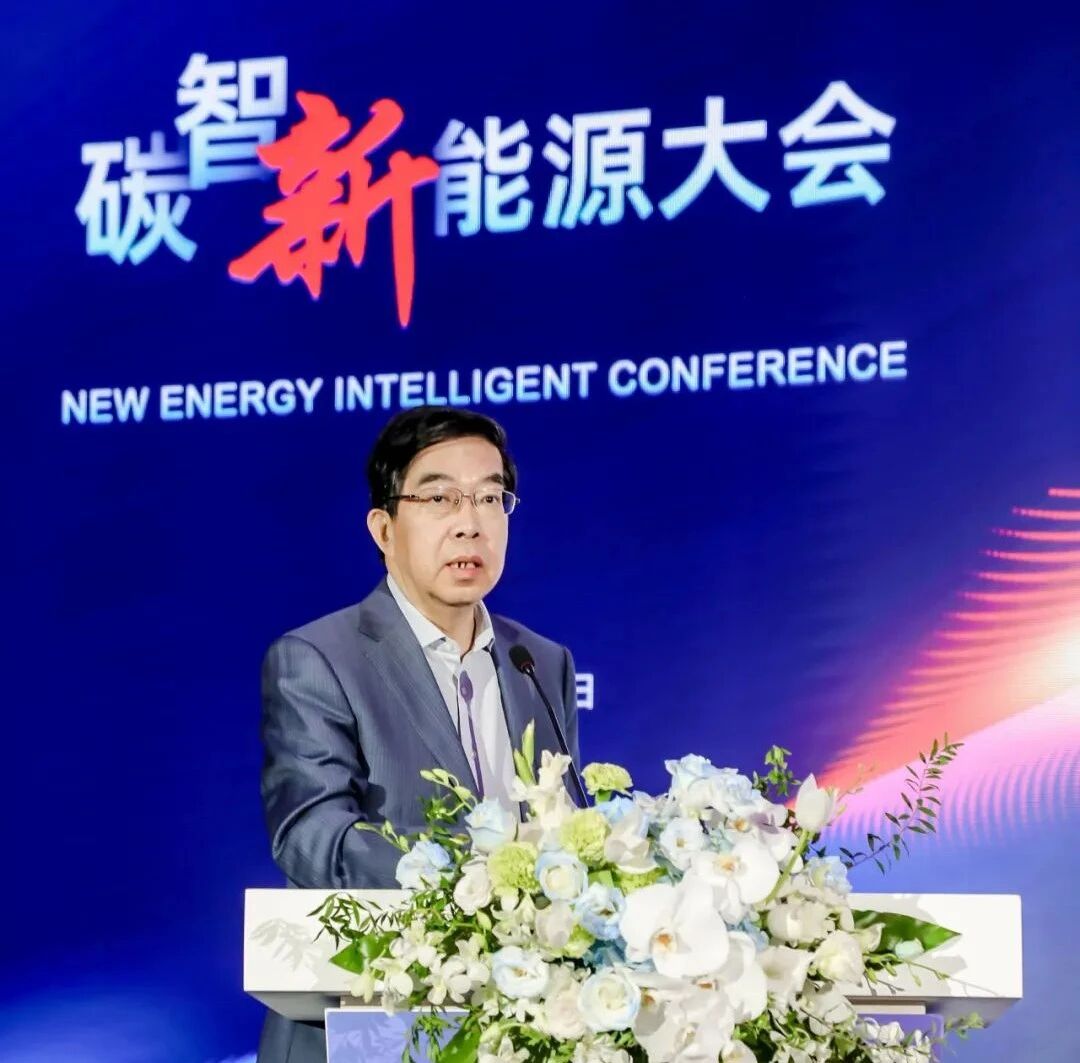
In his concluding remarks, Academician Huang stated that the green transition of energy will unleash hundreds of billions of yuan in investment and industrial opportunities, giving rise to a host of new technologies, new industries, new business formats and new business models.